Mulching is the process by which we mimic what happens in the natural landscape.

What happens in the natural landscape?

Let’s see..

Have you been to any forest area? Wooded area with no or minimal human interference?

How does the forest floor look?

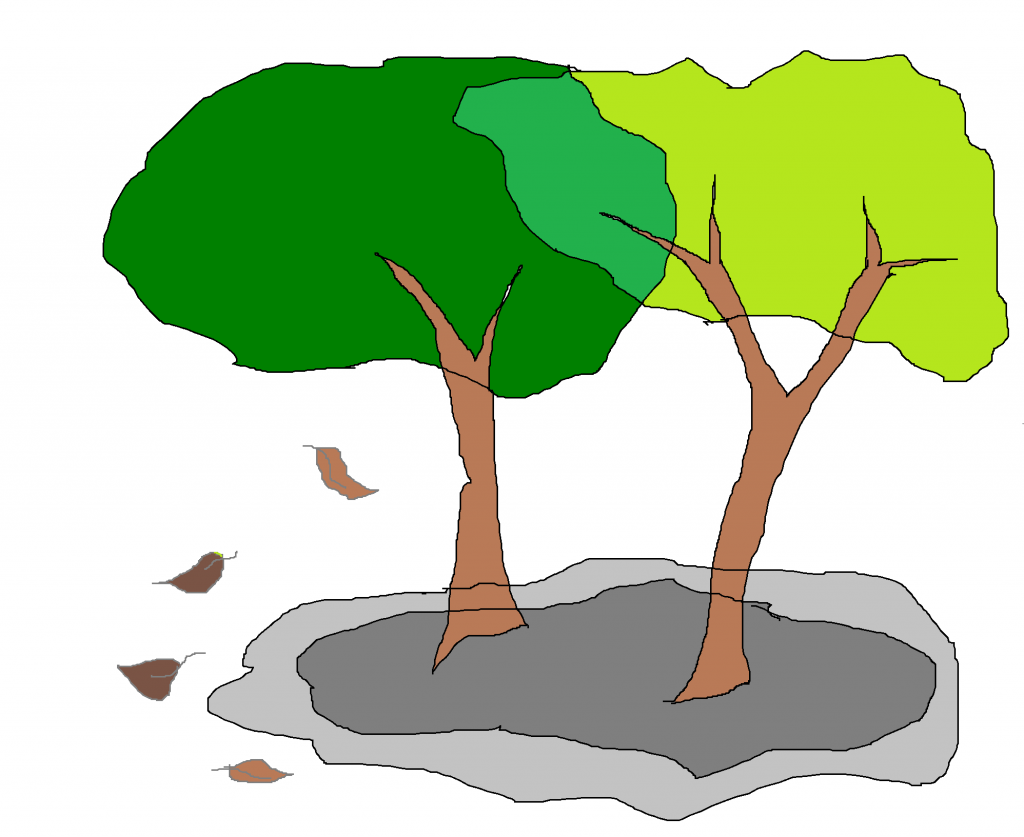
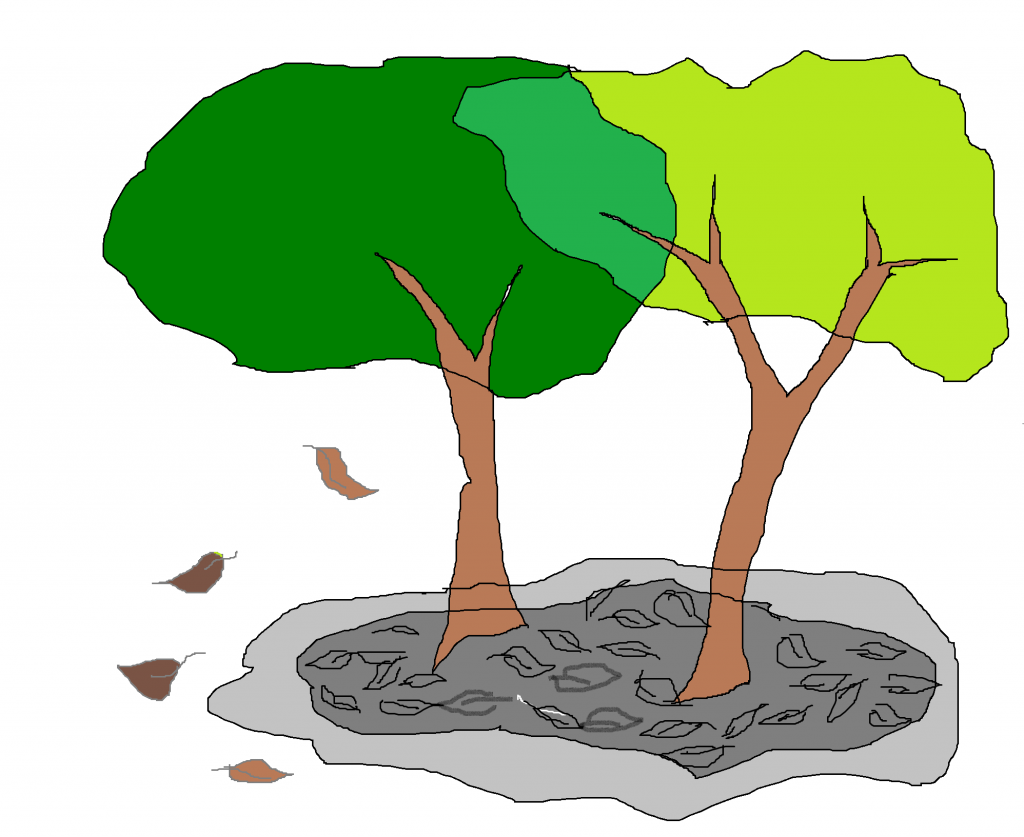
If we do not sweep and collects leaves shed by the tree in the backyard? Yes, that is how the natural forest floor looks like.

Whatever falls on the floor remains there.. Shed leaves form a carpet, layer over the soil.

This layer remains as it is throughout the summer.

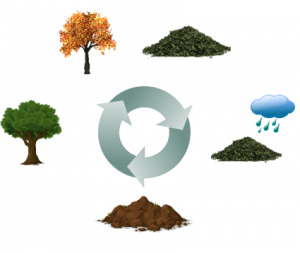
When rains arrive, leaves decompose. Some proportion of nutrients that the tree absorbs from the soil are present in these leaves. These nutrients, when leaves decompose, are returned to the soil.
Soil keeps receiving organic matter and retains its productivity. This is nature’s way of recycling nutrients.

Output of one element serves as input to some other element in the system. It is cyclic process. There is no end to it and hence there is no concept of WASTE.

Layer of leaves protects soil from scorching summer heat. Since sun-rays do not reach the soil directly, soil retains moisture.

Various insects in the soil find shelter under these leaves.

How exactly we do the mulching?

Here are the ways to do it. Let’s discuss.

Don't sweep away all the fallen leaves from the soil under the trees.
Leaves will falls off the trees
Let some leaves be there where they fall

Tree roots absorb various nutrients from the soil. Some proportions of those nutrients are present in the fallen leaves. Keeping some leaves under the tree, where they fall, will help soil get back some nutrients it has lost. 

What we need to do? Nothing. Just don’t sweep away all the leaves. Let nature take its course. Leaves will decompose at their own pace. Nutrients will return to the soil. 

If you are not comfortable keeping leaves as they are, no issues. There is one more way. We will discuss it soon. 

We discussed about how we can protect the soil under and near the tree. What about the plants, plant-beds and pots in the garden?

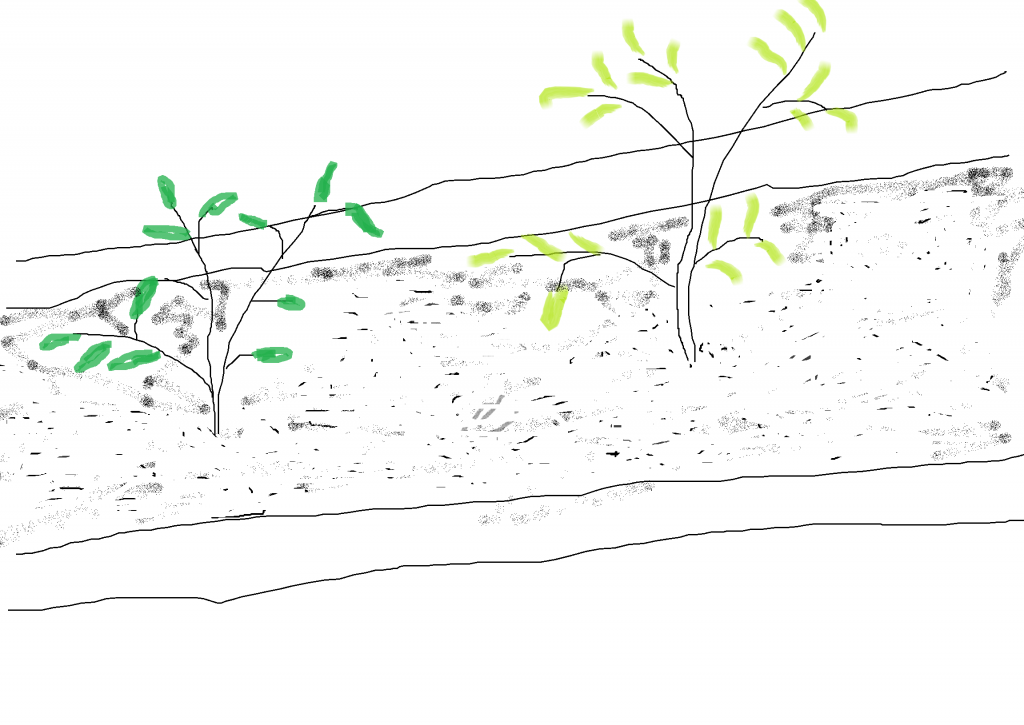
Right, there will not be naturally falling leaves there. But we can still do mulching there. 

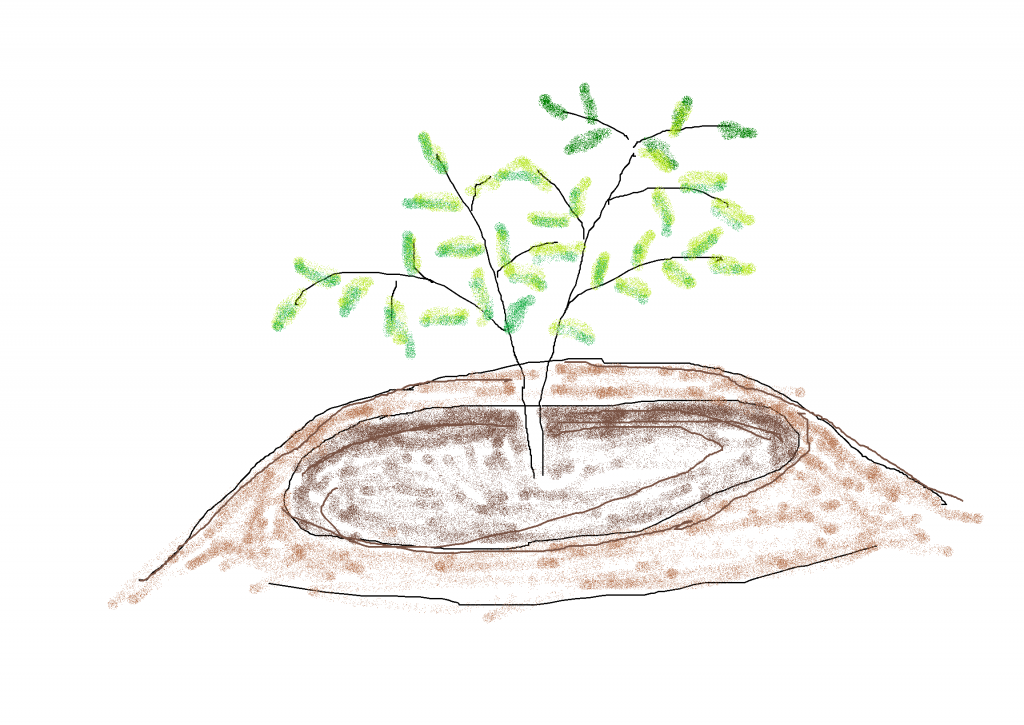
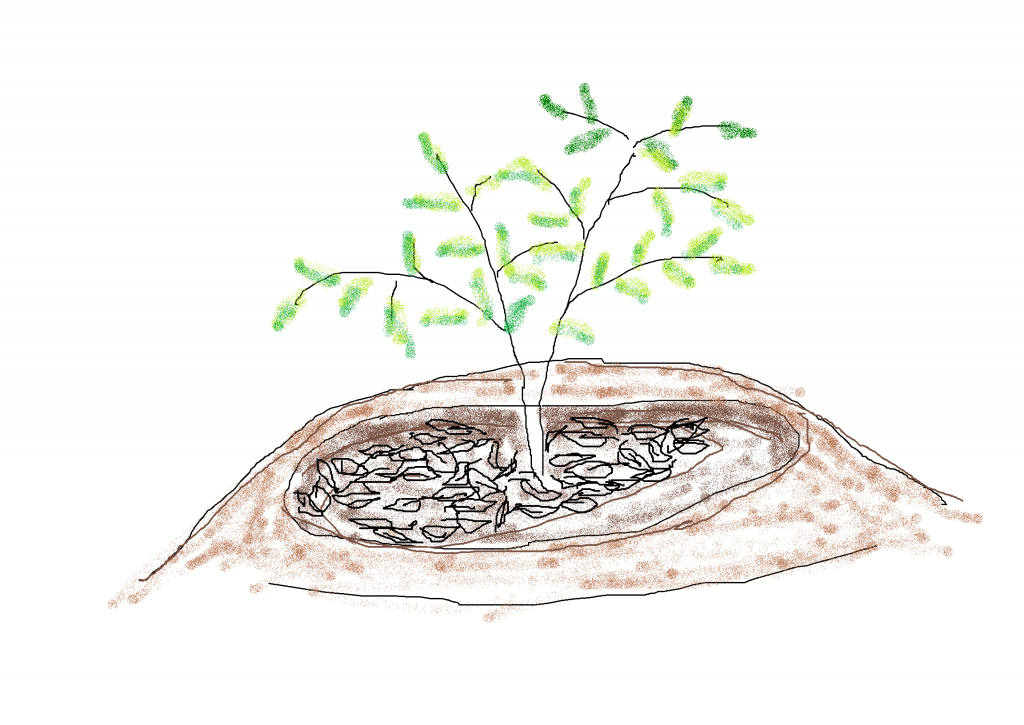
Take some leaves, crush them and put them over the soil in plant-beds or planters. 

Donate Leaves

वाळलेली पाने परत मातीत गेली पाहिजेत, mulching आणि composting हे दोन मार्ग आहेत निसर्गाची चक्राकार प्रक्रिया शहरात निर्माण करण्यासाठी.त्याबद्दल आपण ...
Read More

How to Compost

A Compact Guide on How to Compost Dry Leaves आपल्या आवारात पाने जिरवायचा दुसरा पर्याय – कंपोस्टिंग!निसर्गात काय होतं? झाडांची ...
Read More

How to Mulch

A Guide to Manage Dry Leaves within your premises through mulching निसर्गात जिथे लुडबूड करायला आपण नाही, अशा ठिकाणी झाडाची ...
Read More

What to Do With Dry Leaves — Manage or Donate?

Every year, cities like Pune face the same problem — heaps of dry leaves collected in gunny bags, left to ...
Read More

The Butterflies in My Garden

Garden is not just plants. It is sum total of much more than what our eyes can see. Garden is ...
Read More

How to Create a Butterfly Garden

Brown Leaf is the forum for eco-friendly management of dry leaves. Mulching, composting and gardening are our focus areas. Why, ...
Read More
A picture containing person, outdoor, person, young Description automatically generated

My Terrace Gardening Experience

Covid 19 disrupted our life as never before. Everything happened quickly, with no time to analyse, plan. All one had ...
Read More
A picture containing cup, coffee, beverage, sitting Description automatically generated

Vermi-composting: An amazing step by step guide for the beginners

All one needs is first successful compost. Once that is achieved, journey is easy. Many people give up before that ...
Read More
A green plant in a garden Description automatically generated

My Green Corner

'Never doubt that a small group of thoughtful, committed, citizens can change the world. Indeed, it is the only thing ...
Read More

Terrace garden – Upcycling wet waste

Does waste exist? Mostly in our mind. Yes, think about it. Waste is waste only if we think it is ...
Read More